Archives

On the Hunt for Diverse Stories

This entry was posted on by .

Since grade school, I have had a passion for books and reading. This must have been evident to my teacher during elementary school because, on the last day before summer break, she gave me a gift. It was a collection of hardcover Dr. Seuss books. It came with its own bright blue, hard plastic book rack in the shape of the hat-wearing feline. While other kids on my street ran through the fields, climbed trees and collected bugs, I spent most of that summer inside, sucking my thumb and reading the shiny new books from cover to cover, over and over again.

But as my interest in reading grew, so did my awareness of what was missing in the books I read: Me. None of the characters looked like me, acted like me or spoke to my experience. So, when a book came along that did, I clung to it. I somehow stumbled onto a book called Harriet’s Daughter by M. NourbeSe Philip, and it was probably one of the first times I’d seen Black people in books outside of the bit of history we learned in school. I immediately wanted more. As a teen, I took an interest in novels like Women of Brewster Place by Gloria Naylor and The Color Purple by Alice Walker. Those stories reassured me that my experiences were just as valid, important and worth reading about as all the others. But the shelves in which those books lived always seemed to be the slimmest section of the entire library.

This is the cry of many educators, youth and other readers: Where are the diverse stories? My recent entry into the publishing business as an Acquisitions Editor puts me in a unique position to contribute to positive change. I enjoy sitting around the boardroom table and engaging in those deep and meaningful conversations about culture, race, identity and the ways in which we can expand how we share our perspectives with the world. It’s vital to have diverse viewpoints and experiences included in conversations about the types of stories we should be publishing.

Formac Publishing is on the hunt for new and interesting stories, no matter who the author behind them. We are looking for books that celebrate our east-coast lifestyle, tantalize our taste buds with glorious recipes and move us with characters that leap off the page. That next great story or undiscovered writer is out there—and we intend to find them. To do that, we have launched Write to Win 2018.


This contest is an awesome opportunity for new talent to finally put pen to paper or for established writers to dust off a great story. We will be accepting manuscripts until February 2018. The shortlisted entries will be judged by a splendid panel of judges, including Sheree Fitch, George Elliot Clark and me, Wanda Taylor. I encourage potential authors to take a shot and submit a manuscript before the deadline. Details of this exciting contest are here: formac.ca.

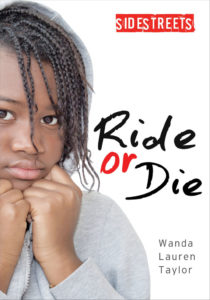
In a recent media interview about my latest book, Ride or Die (Lorimer, 2017), I was asked whether I was the first Black acquisitions editor at a Nova Scotia book publishing company. It was a good question, but one that I couldn’t answer. I did some digging afterwards but came up empty. I’m curious to know which others walked this path. First Nations people? African Nova Scotians? Muslims? And if I am the first, now is the perfect time, as diversity in the stories we read and in those who tell them is slowly and steadily becoming a permanent fixture on the literary landscape.

As an African Canadian female writer, I am also exceptionally positioned to create those stories with diverse characters and inclusive themes. I have several manuscripts still yet to be published that focus on everything from a Muslim teen as main character to the mobilization of a stigmatized group of friends. However, as minority authors, we often face the threat of being pigeonholed. There is a belief that we are only good at writing about diversity and minority issues, or that our characters are not mainstream folks with everyday challenges but instead must be defined by their “diverseness.” Yet our race, class, gender or ethnicity are not the only stories we can tell. As humans and as individuals, we are not one single story and minority writers continue to demonstrate that they are not only equipped to write minority stories but are just as skilled in writing mainstream ones as well. I feel that an incredible storyteller is a gift to the world. She has the ability to make us see things in ways we might never have seen, were it not for her artistic gifts leaping back from the page.

The publishing industry is slowly changing to broaden the diversity of stories told and authors published. Readers are finding increased opportunities to connect with different kinds of characters, themes and stories. Bookshelves are beginning to look more representative of the world we live in. I am excited to be a very small part of that momentum.
Conversation with Jade Brooks

This entry was posted on by .

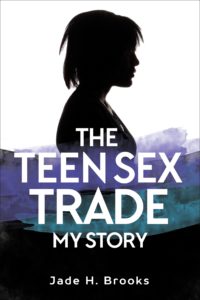
The Teen Sex Trade: My Story (Formac 2017) is a no-holds-barred account of human trafficking in Canada. Author Jade Brooks, now 25, was born in Toronto and grew up in Halifax. At age 11, she was put into foster care and by age 17 found herself lured into the sex trade. While her memoir tells her own harrowing tale, Jade says far too many young women can relate to her experiences.

Understorey Magazine had the chance to speak with Jade about her story and the process of writing her first book.

UM: Were you hesitant to be so open and vulnerable when telling your story?

JB: Vulnerable is something I have always been and will always be to some extent. I wasn’t hesitant to be vulnerable and open in sharing my story. Although it was challenging (and embarrassing) at times, I knew that the truth was bigger than those feelings and that it had to get out there.

UM: How long did it take to write the manuscript?

JB: The first draft of the book took approximately six months. Once I signed my contract with the publisher, the editing process took another year or so until it was officially finished and ready for print. There was a period of about six months between finishing the first draft and signing on with the publisher.

UM: What (or who) inspired you to write the book?
JB: A friend of mine was the initial inspiration for the book. In telling him a bit of what I’d been through, he suggested I write a book. He said that I may save someone’s life. Once I really dove into my writing, it was healing.

UM: You’re also a poet. Is writing a form of therapy for you?

JB: Poetry and writing are not only therapy for me, they are peace of mind. They are how I solve problems. Writing enables me to express myself freely, helping me to understand myself and the world around me.

UM: You recently gave birth to twins. How do you feel about them reading your book once they are older?

JB: I feel having them read the book is crucial to their development as young people, as humans. I feel that they need to know that this happens. What better way to discuss it with them than to have been through it myself.

UM: What is the one message you want readers to take from the book?

JB: One message, among many, is that abuse is not normal, no matter the ways in which it manifests itself.

UM: What is your message to other girls going through the same thing?

JB: I want young girls to know that what they are experiencing is not their fault. Guilt is a very heavy burden to carry and I know because I’ve carried it. I want to let them know that their love (for their pimp) is valid, but the things they have to sacrifice proves that his love is not reciprocated. Love isn’t supposed to hurt; it doesn’t require you to sell any part of yourself. Also, when they are ready to leave, they will find a way. The female spirit is resilient and can only be held down for so long before it rises.

UM: In the book, you mention the sex trade is a common part of people’s lives in the community where you lived. Why do you think this is and how do we break this cycle?

JB: I think it is in response to intentional systemic barriers that Black people have faced over many generations. I’ve learned from a therapist that I used to work with that when a human being is denied its power for so long, it will do just about anything to regain that power, even things that are harmful or unethical. The male and female roles in this crime/lifestyle are attempts to get out of poverty, to seek love where there once was none, to feel some sort of freedom and autonomy over oneself. There is more to be said about why this is normal, but that is some of what I’ve observed. We break the cycle by allowing ourselves to be vulnerable, as I have done in my book, and educating ourselves as well as our children and our peers. We must first admit that it’s a problem, be open about our experiences and make a conscious decision to live better, to treat our male and female counterparts with more respect. This has to be dealt with on a human level because a lot of perpetrators and victims don’t even look at themselves or others as worthy of basic respect. Once we come together with that type of foundation, then we can look at breaking down systemic barriers that keep us in poverty, both locally and globally.

UM: In the epilogue, you mention a second book. What will it be about?

JB: My second book will detail how I came to a place of peace within myself, the experiences I had along the way and the lessons I learned that allowed me to understand myself and trust my intuition. It will likely be less of a story and structured more as a guide book. That’s the vision I have right now. It could change.

What to Read Next

This entry was posted on by .

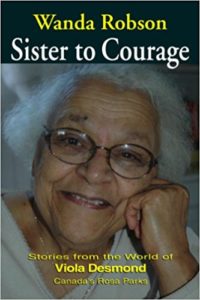
Books by African Nova Scotian Women & Women of African Descent in Nova Scotia

Wanda Thomas Bernard
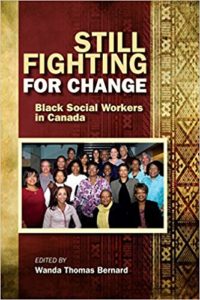
Still Fighting for Change: Black Social Workers in Canada (Pottersfield Press). Essays/research.
Jade H. Brooks
The Teen Sex Trade: My Story (Formac Publishing). Memoir.
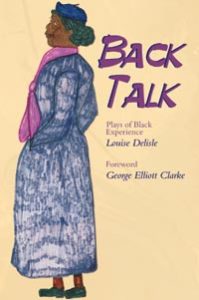
Louise Delisle
Back Talk: Plays of Black Experience (Fernwood Publishing). Drama.
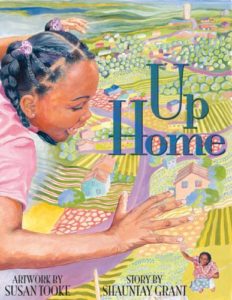
Up Home
Apples and Butterflies.
The City Speaks in Drums.
The Walking Bathroom (Nimbus Publishing). Children’s literature.
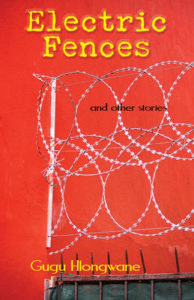
Gugu Hlongwane
Electric Fences and Other Stories (Mawenzi House). Short fiction.
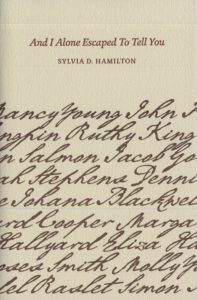
Sylvia D. Hamilton
And I Alone Escaped To Tell You (Gaspereau Press). Poetry.
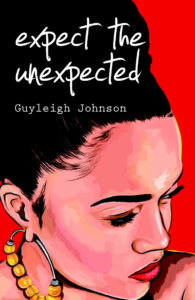
Guyleigh Johnson
Expect the Unexpected (Pottersfield Press). Poetry/spoken word.
El Jones
Live from the Afrikan Resistance! (Fernwood Publishing). Poetry/spoken word.
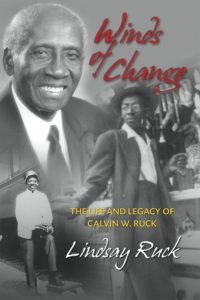
Lindsay Ruck
Wanda Lauren Taylor
Ride or Die (Lorimer). YA literature.
Birchtown and the Black Loyalists (Nimbus Publishing). Nonfiction.
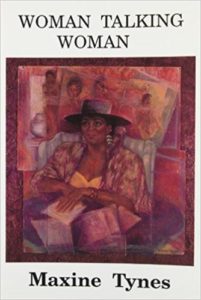
Woman Talking Woman.
Borrowed Beauty.
Save the World for Me (Nimbus Publishing). Poetry.
Gloria Ann Wesley
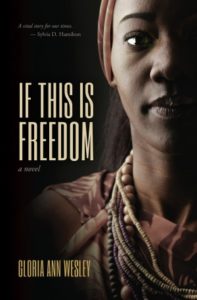
If This Is Freedom (Fernwood Publishing). Fiction
Chasing Freedom (Fernwood Publishing). YA fiction.

Help us keep this page up to date. Please send additional titles and suggestions to [email protected]

Her Flower

This entry was posted on by .

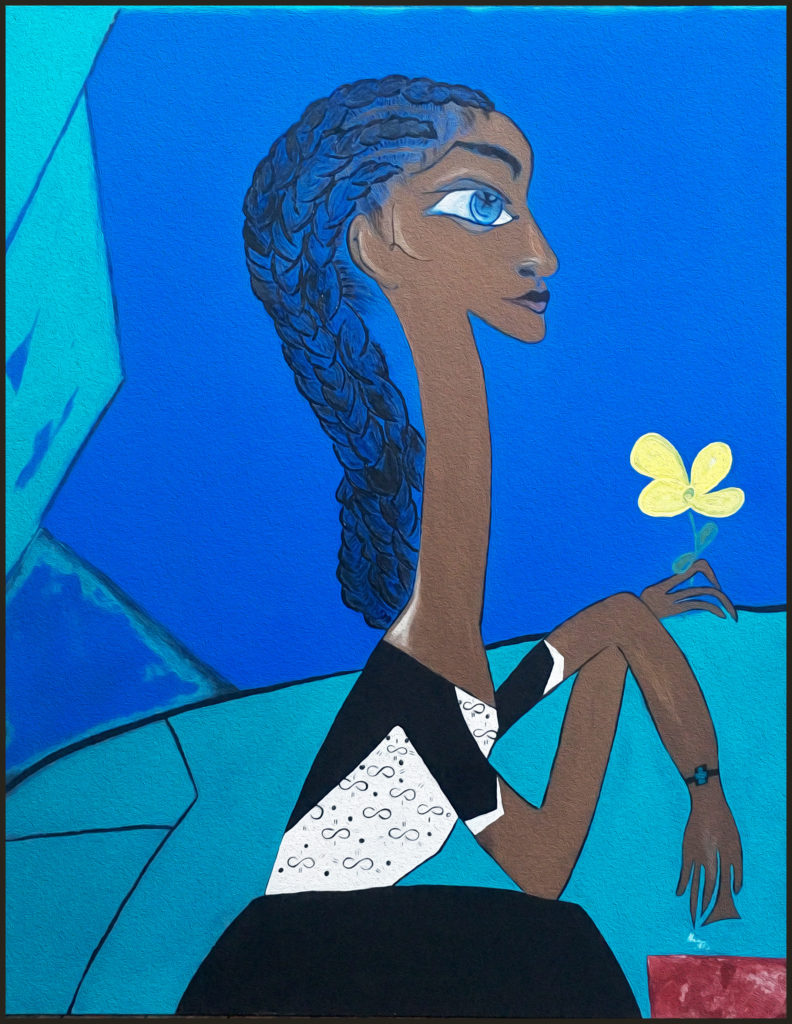
Her Flower by Shantelle Vanterpool. Acrylic on canvas.


The moment the colours touched my palette, I knew this was going to be a very special canvas. Tribute is paid to the late Pablo Picasso with a re-imaging of his piece Jacqueline with Flowers, 1954. I used an overall lighter palette to suggest feelings of happiness, enlightenment and optimism. Picasso’s cubism method was captured to depict multiple points of view unified through geometric shapes. I wanted to create a painting that expressed the confidence and perseverance of beautiful black women everywhere!

Shantelle Vanterpool

Heart of Africville / Pieces of a Woman

This entry was posted on by .

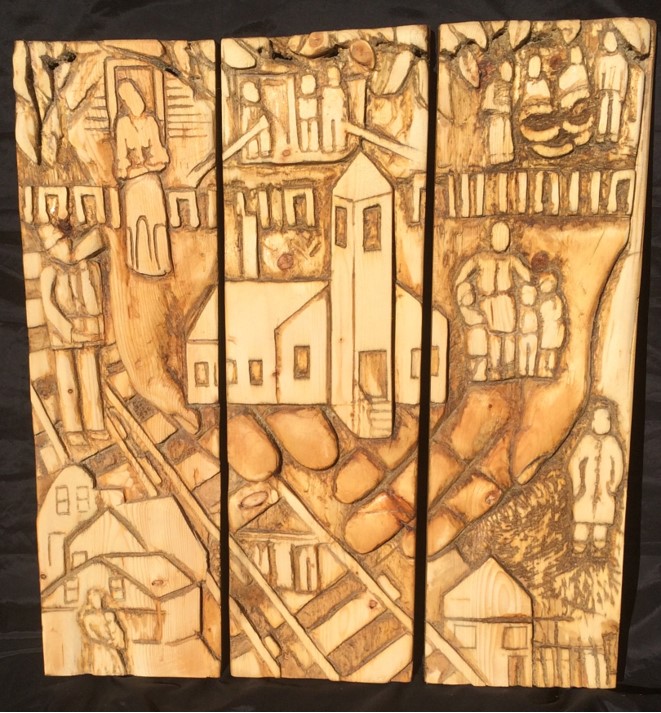
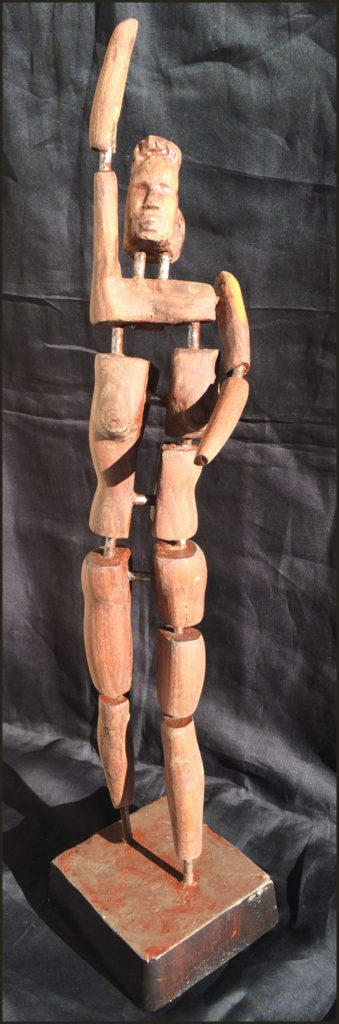
Heart of Africville by Angel Bonita Gannon, Canadian pine wood.

Angel Bonita Gannon is the daughter of a former Africville resident and activist. Her creative interpretations of Africville are dedicated to her family history. She aims to inscribe a new discourse of art that will foster discussion and generate solutions.

Pieces of a Woman by Angel Bonita Gannon, walnut wood.